
Kerala
Discover the timeless beauty of Kerala, a tropical paradise known for its backwaters, hill stations, wildlife, beaches, and vibrant culture.

Discover Chinnar Wildlife Sanctuary, a unique rain shadow forest in Kerala famous for grizzled giant squirrels, trekking, wildlife safaris, and nature adventures.
1+
Packages
₹0
Starting From
4.8
Rating
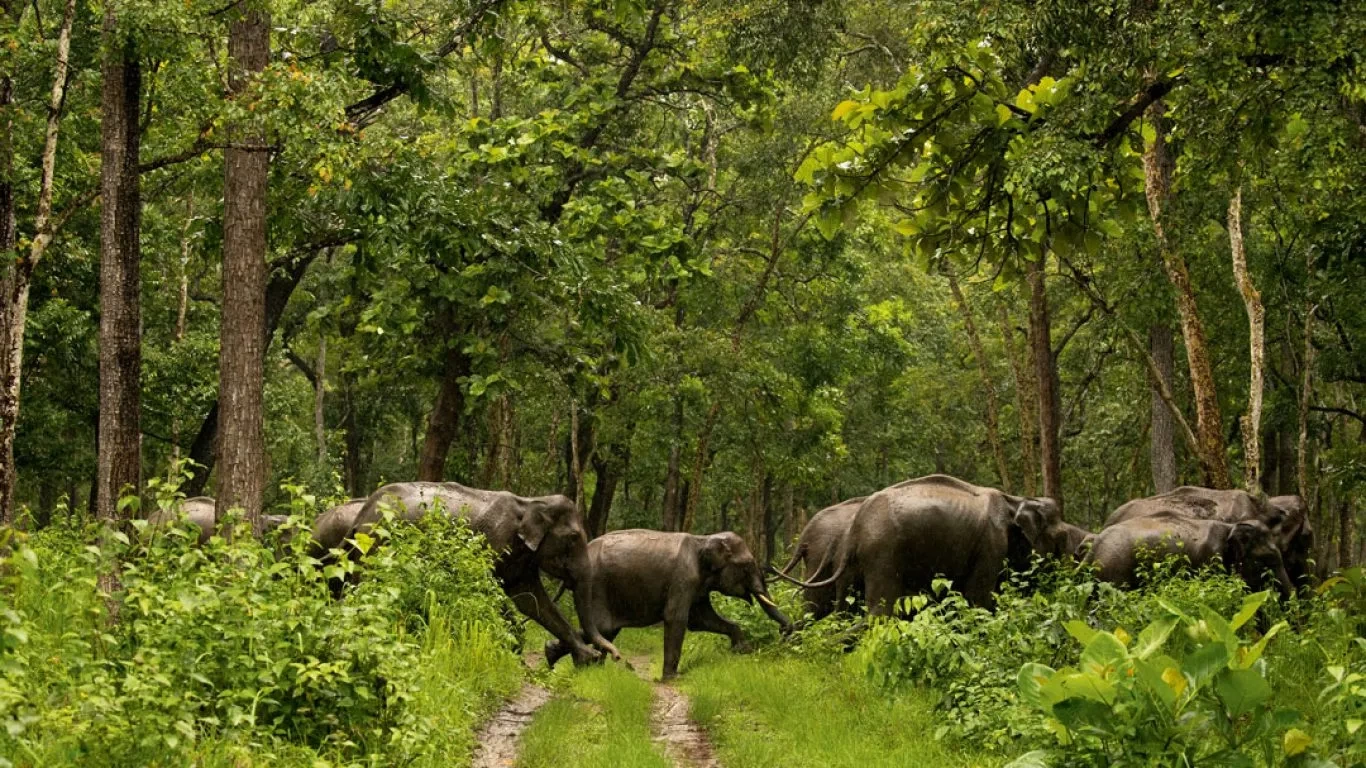
Chinnar Wildlife Sanctuary is one of Kerala's most unique protected forests, located in the Idukki district along the Kerala and Tamil Nadu border. Situated on the Munnar to Marayoor route, the sanctuary forms part of the Western Ghats UNESCO World Heritage Site and is renowned for its dry deciduous forests, thorny scrublands, sandalwood trees, riverine forests, and exceptional biodiversity. Unlike the lush evergreen forests found elsewhere in Kerala, Chinnar lies in a rain shadow region, creating a distinctive landscape that supports rare wildlife and plant species.
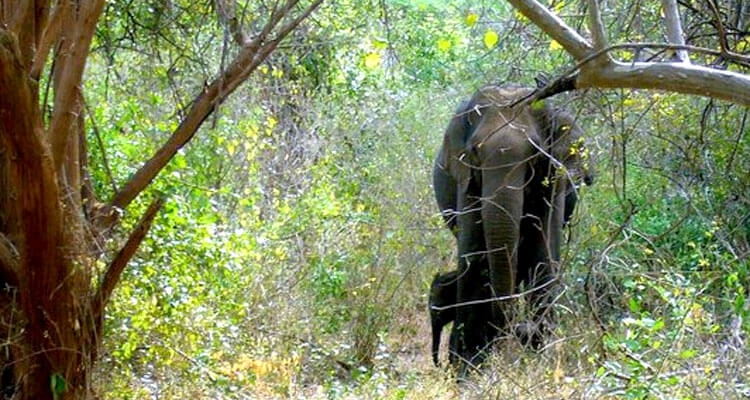
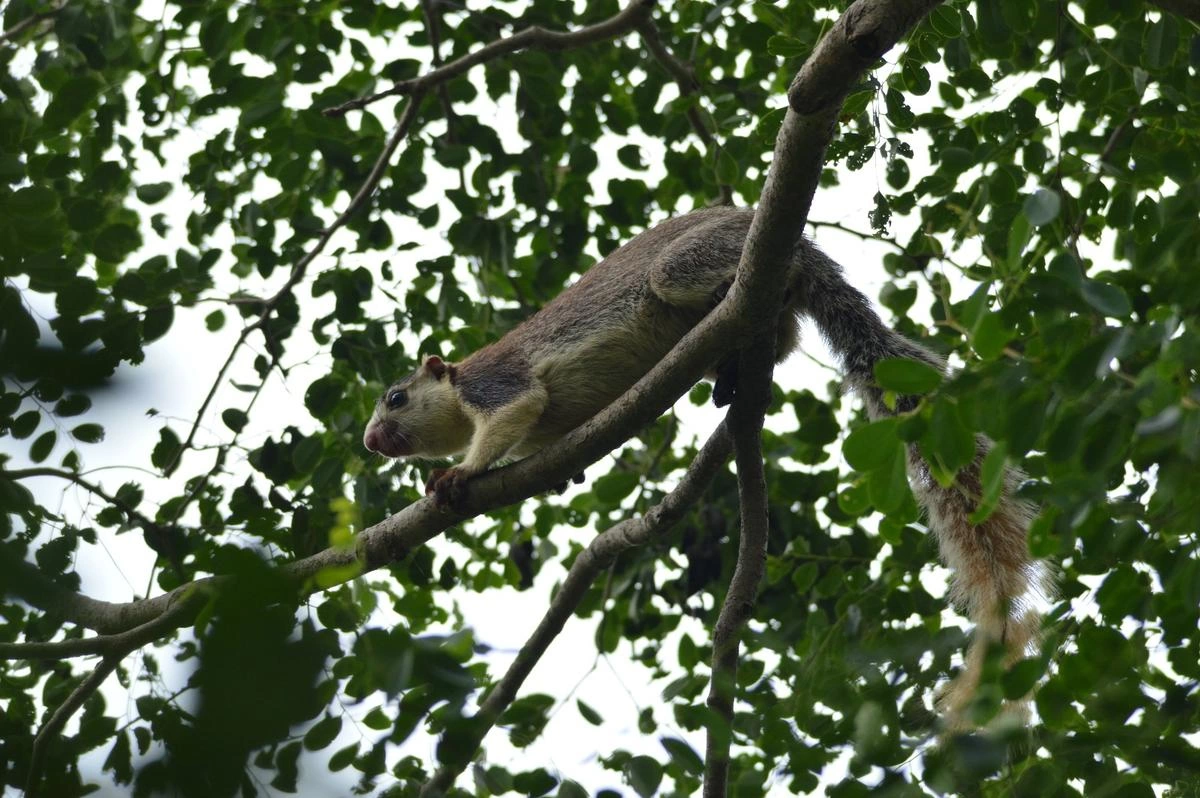
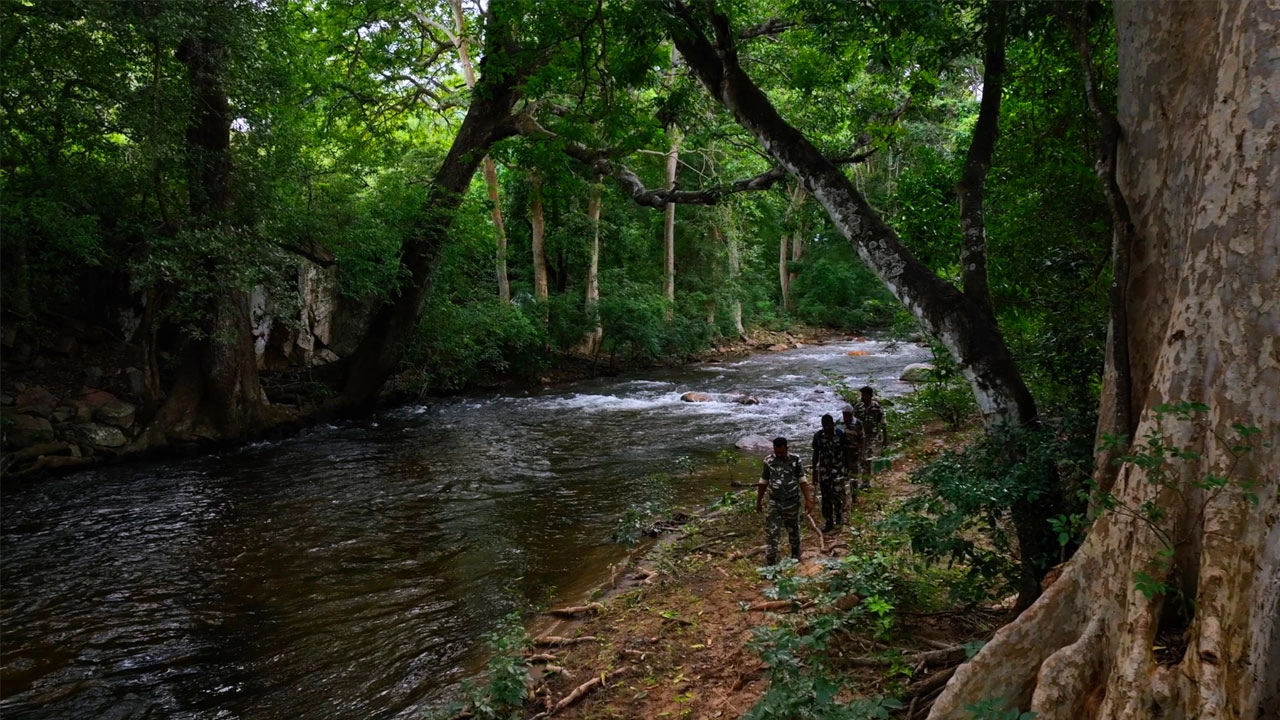
The sanctuary is best known as one of India's few habitats of the endangered Grizzled Giant Squirrel. Visitors may also encounter elephants, leopards, gaurs, spotted deer, sambar deer, langurs, crocodiles, star tortoises, butterflies, reptiles, and more than 225 bird species. Chinnar is popular among wildlife enthusiasts, trekkers, photographers, birdwatchers, and eco-tourists looking for offbeat Kerala experiences. The destination also offers guided trekking, river walks, tribal village visits, sandalwood forests, and camping programs, making it an excellent addition to Munnar and Kerala wildlife tour packages.
Region
India
Country
India
Language
Malayalam, English
Currency
INR
Timezone
IST (UTC+5:30)
Nearest Airport
Cochin International (COK)
Best For
Family, Adventure, Group Tour, Wildlife, Hill Station
October to March is the best time to visit Chinnar Wildlife Sanctuary for wildlife safaris, trekking, birdwatching, and nature photography.
Jan
Best
Feb
Best
Mar
Good
Apr
Good
May
Good
Jun
Off-Season
Jul
Off-Season
Aug
Off-Season
Sep
Off-Season
Oct
Best
Nov
Best
Dec
Best
Cool temperatures and comfortable weather make this the ideal season for trekking, wildlife spotting, photography, and outdoor eco-tourism activities.
Dry conditions improve visibility inside the sanctuary, increasing the chances of spotting elephants, deer, giant squirrels, and other wildlife near water sources.
The sanctuary receives moderate rainfall, bringing fresh greenery and vibrant landscapes. Nature lovers enjoy peaceful trails, although some trekking activities may depend on weather conditions.
Cochin International Airport is approximately 190 km away, while Coimbatore International Airport offers another convenient option for domestic and international travelers.
Aluva Railway Station, Ernakulam Junction, and Pollachi Railway Station are the nearest major railway stations offering convenient rail connectivity.
Chinnar is about 60 km from Munnar and is well connected by road from Marayoor, Udumalpet, Kochi, Coimbatore, and Thekkady.
International travelers require a valid Indian Visa or e-Visa before arrival. Cochin and Coimbatore airports provide excellent connectivity from GCC countries, Europe, Southeast Asia, and other international destinations.
Private taxis, rental vehicles, forest department jeeps, guided trekking programs, and nature walks are the best ways to explore Chinnar Wildlife Sanctuary.
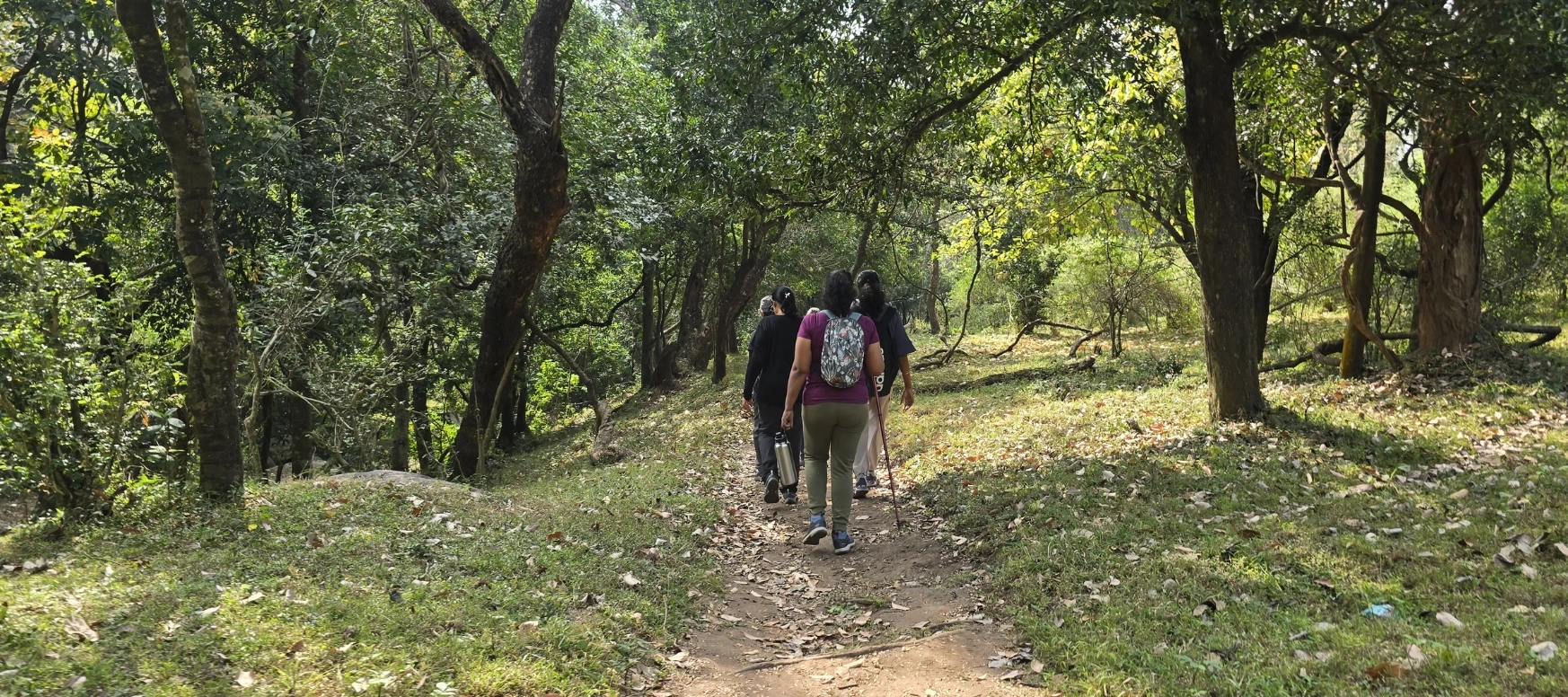
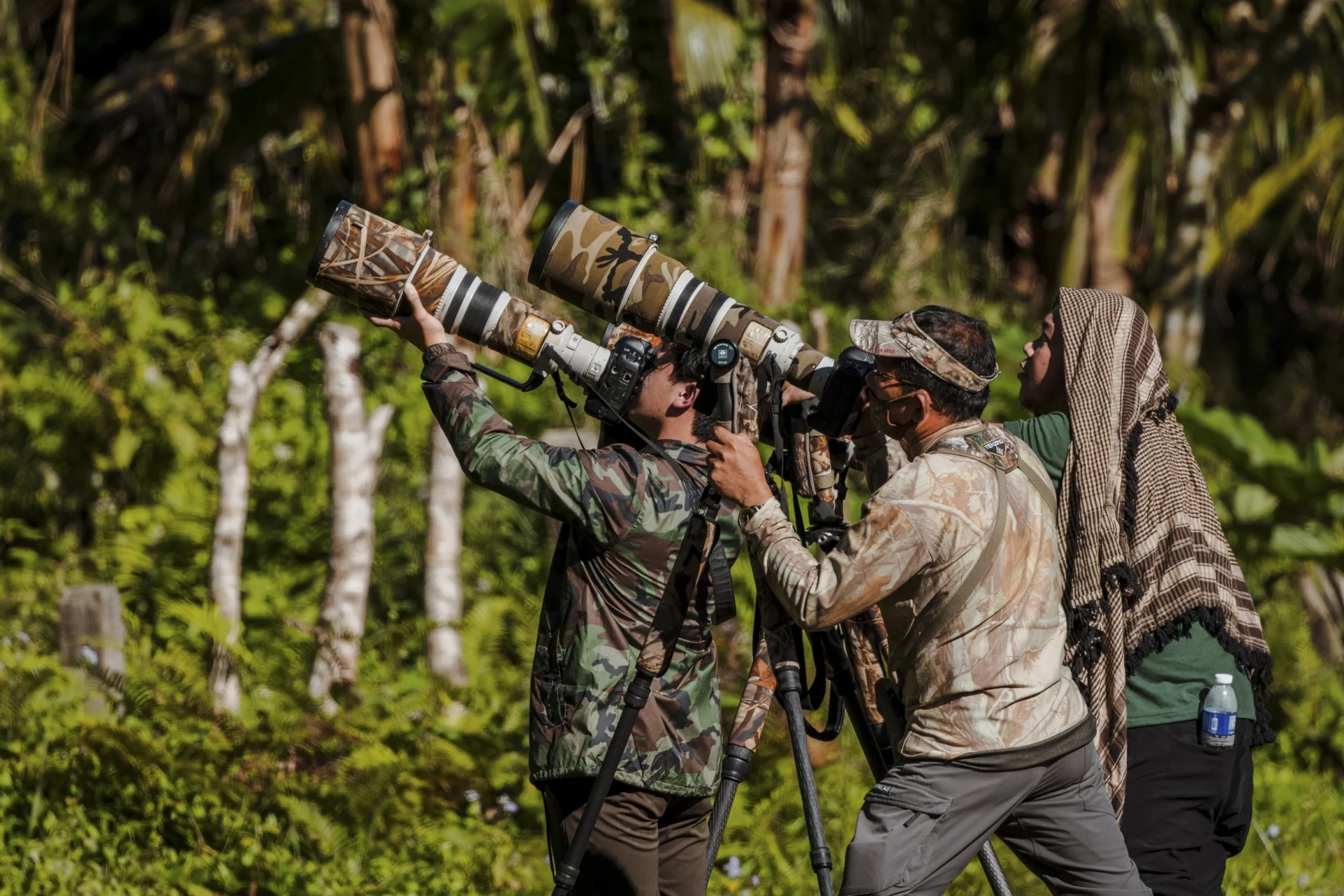
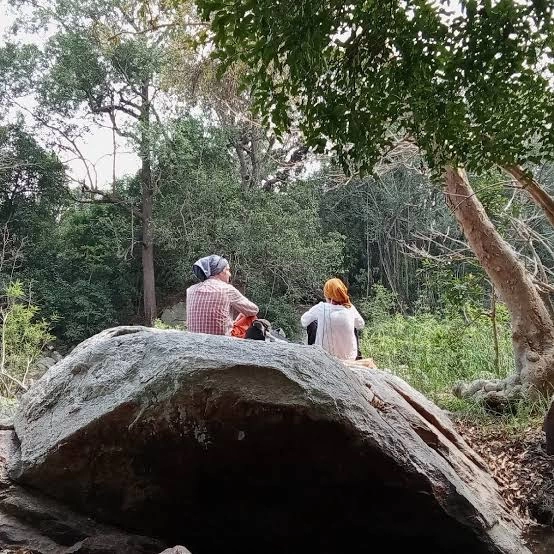
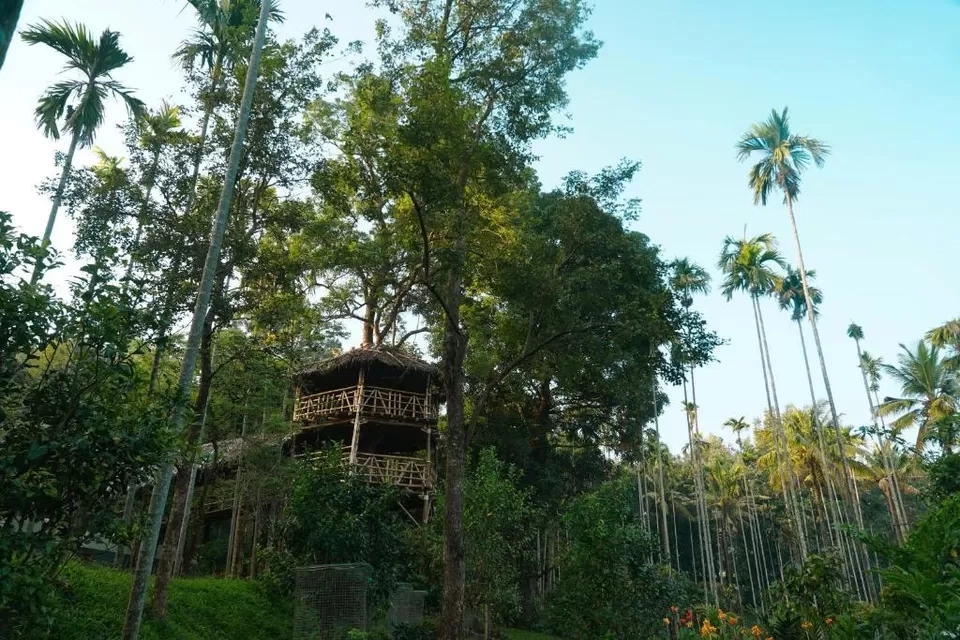
India's only naturally growing sandalwood forest, famous for ancient trees and scenic landscapes.
Prehistoric stone burial chambers dating back thousands of years, offering fascinating archaeological insights.
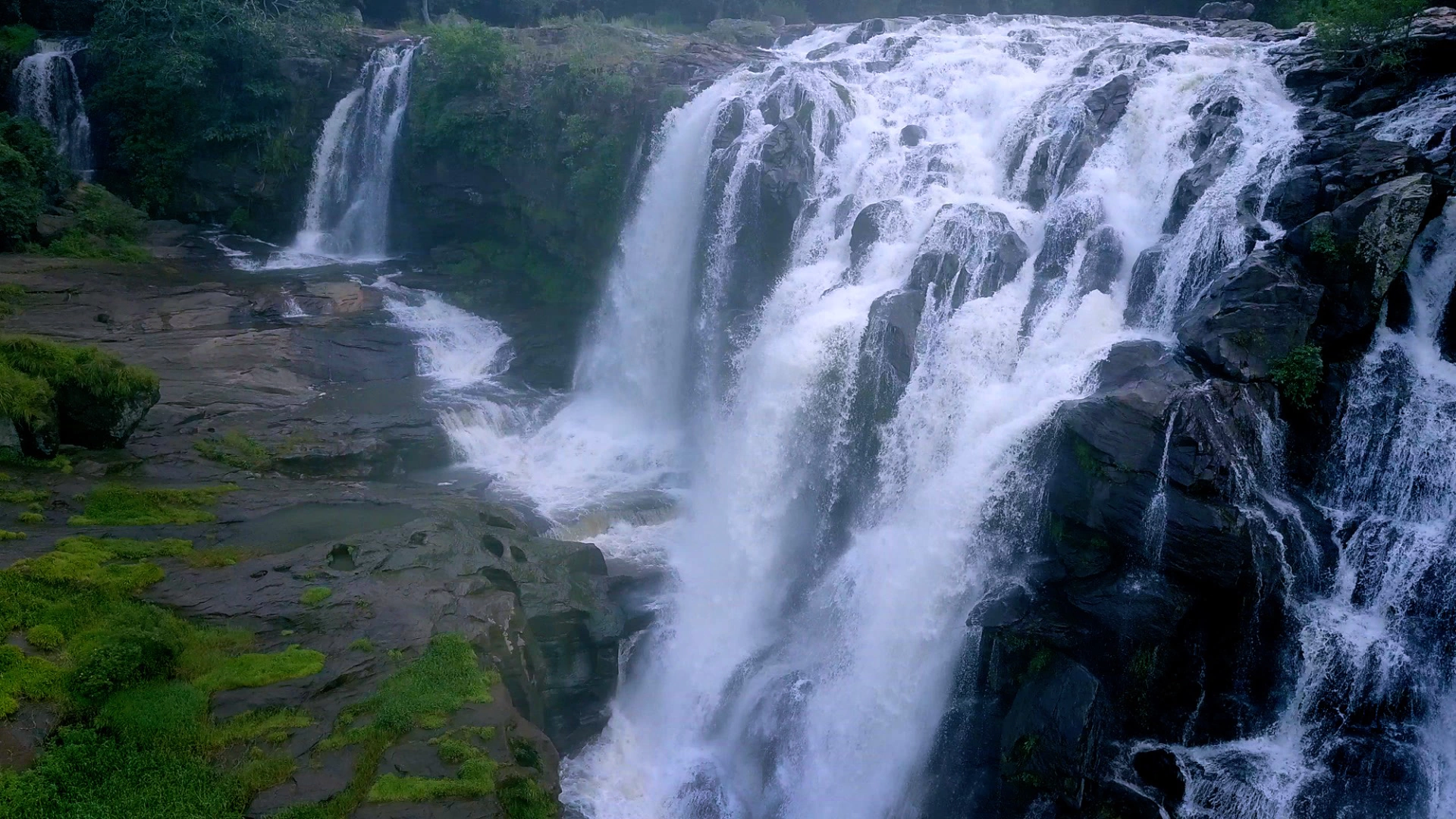
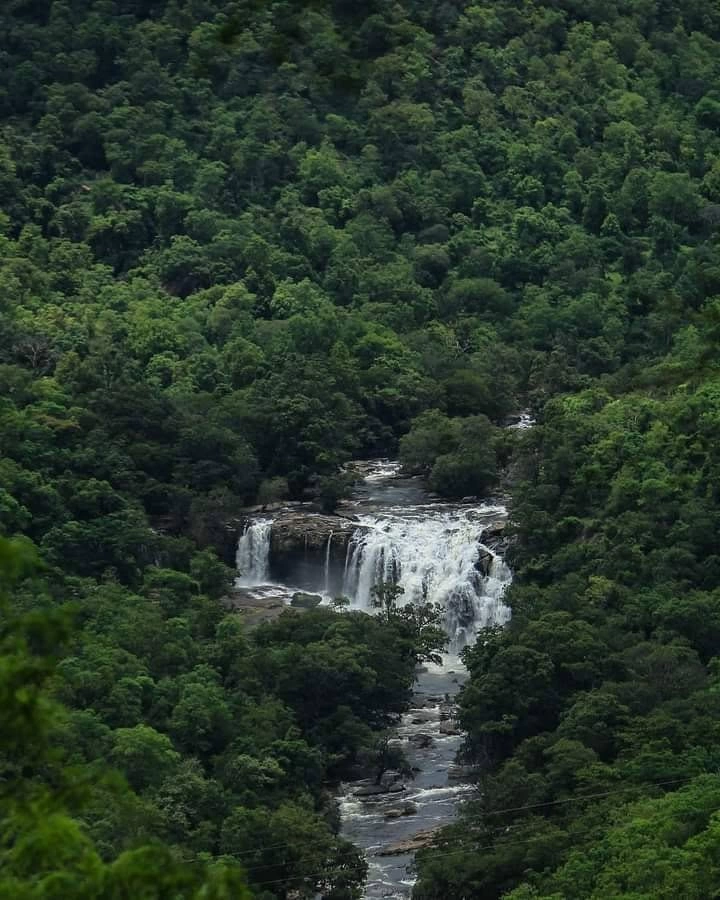
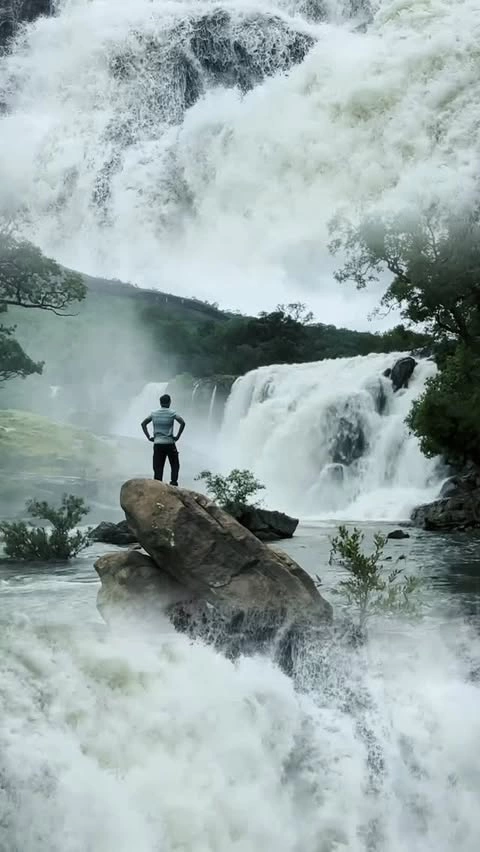
A picturesque waterfall located near Munnar, surrounded by dense forests and trekking trails.
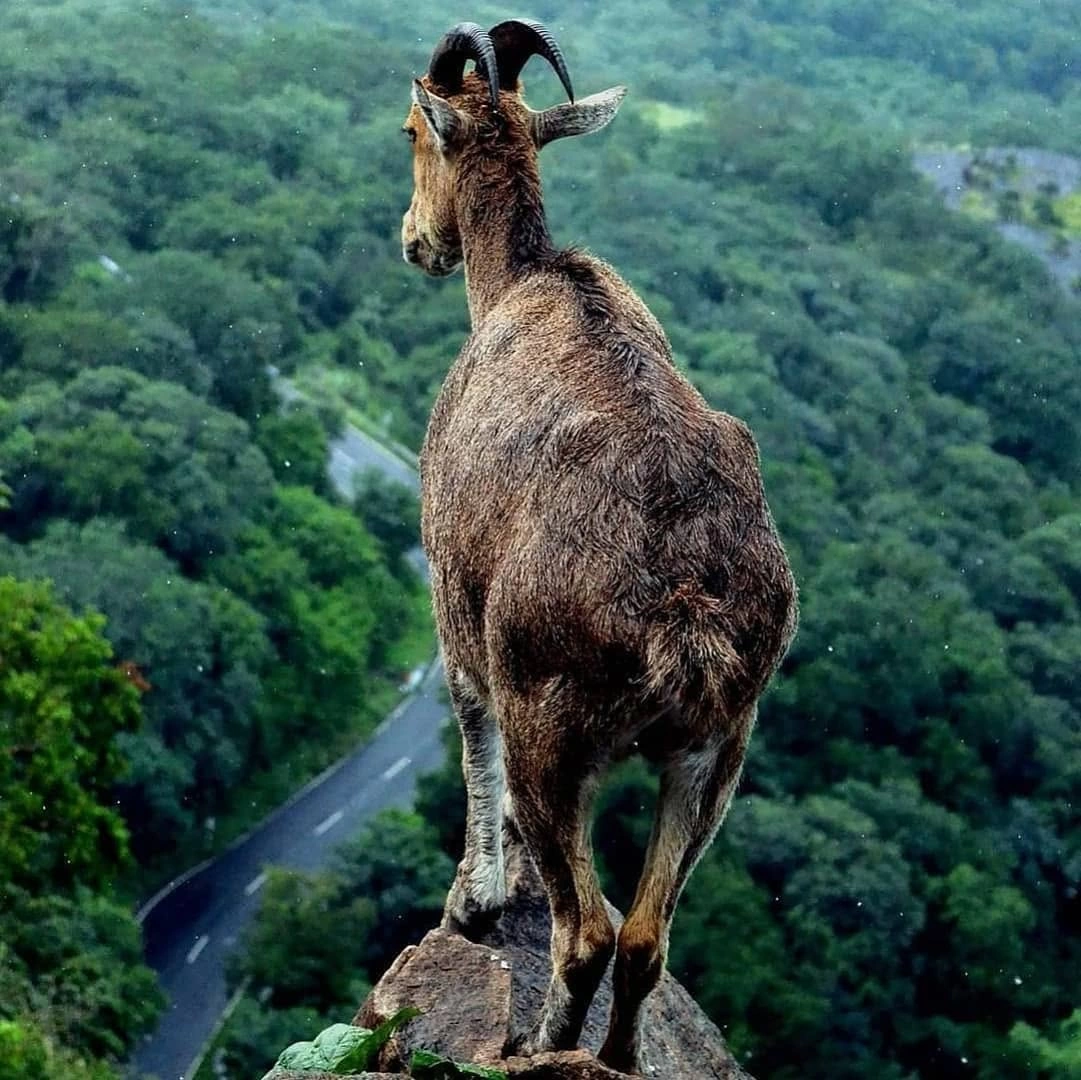
Home to the endangered Nilgiri Tahr and rolling grasslands overlooking the Western Ghats.
Kerala's iconic hill station known for tea plantations, viewpoints, waterfalls, and cool mountain weather.
One of Munnar's highest viewpoints offering panoramic views of the Western Ghats and Tamil Nadu plains.
A biodiversity-rich rainforest famous for endemic wildlife and peaceful trekking routes.
A charming hill village known for fruit orchards, vegetable farms, scenic valleys, and pleasant climate.
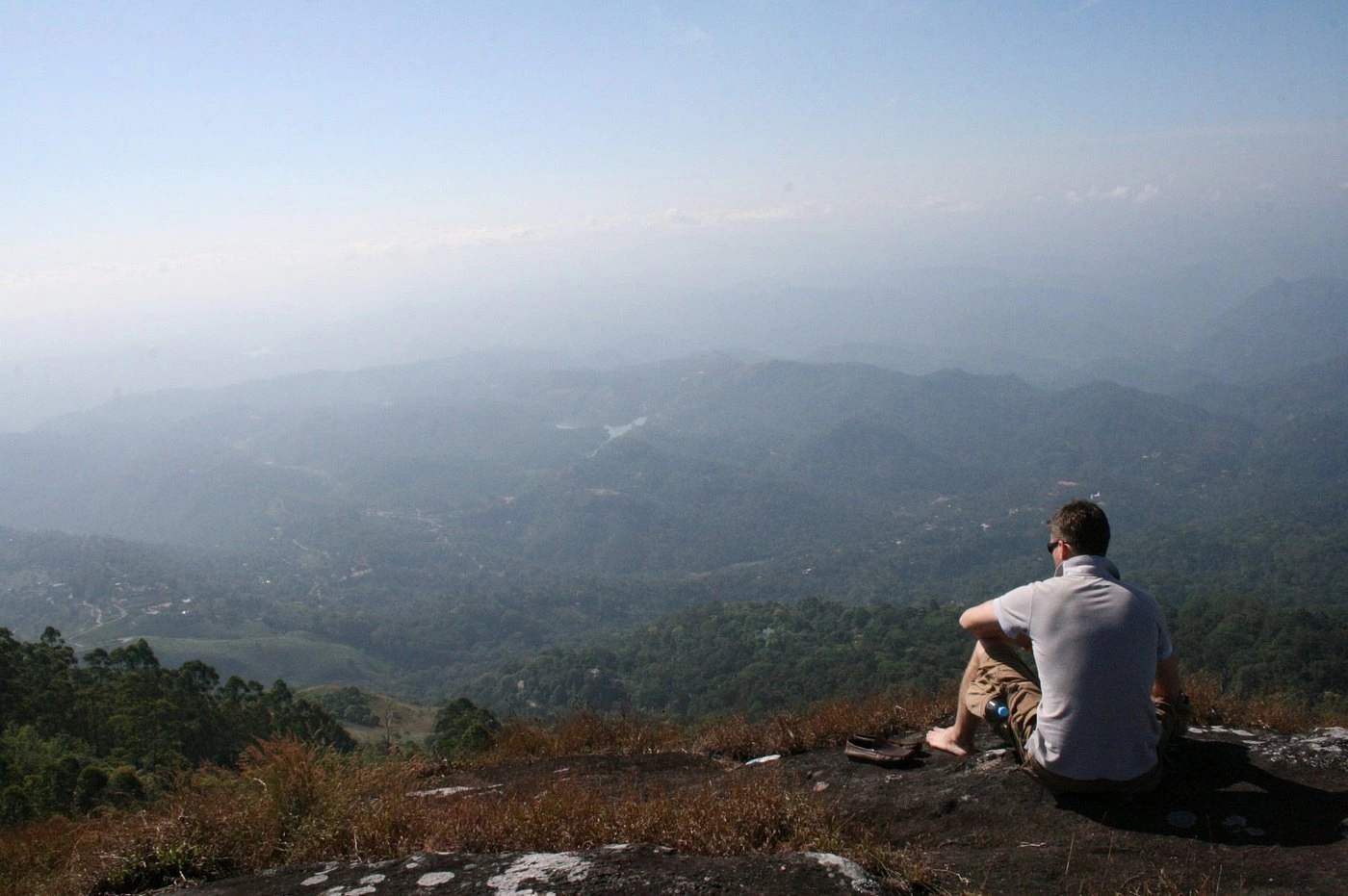
Popular trekking and camping programs require advance permission from the Kerala Forest Department.
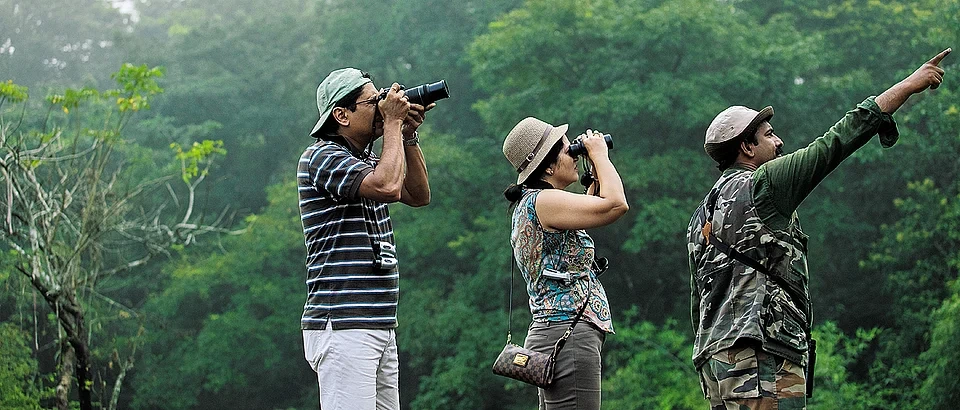
Wildlife is often spotted from a distance, making binoculars extremely useful during safaris and birdwatching.
Most activities involve walking through uneven forest trails, rocky paths, and natural terrain.
Maintain silence, avoid littering, and never feed or disturb wild animals during your visit.
Morning hours offer the highest chances of spotting elephants, giant squirrels, birds, and other wildlife.
The sanctuary lies in a relatively dry climatic zone, so staying hydrated and protected from the sun is important.
Tour Packages
Can't find what you're looking for?
We'll customize a package just for you.
Let our experts plan your perfect Chinnar itinerary. Custom packages starting from ₹0.
Chinnar is famous for its dry deciduous forests, Grizzled Giant Squirrel habitat, wildlife safaris, trekking trails, and unique biodiversity.
October to March offers the most pleasant weather for wildlife viewing, trekking, birdwatching, and photography.
Yes. Wild elephants are commonly spotted along with gaurs, deer, langurs, giant squirrels, and numerous bird species.
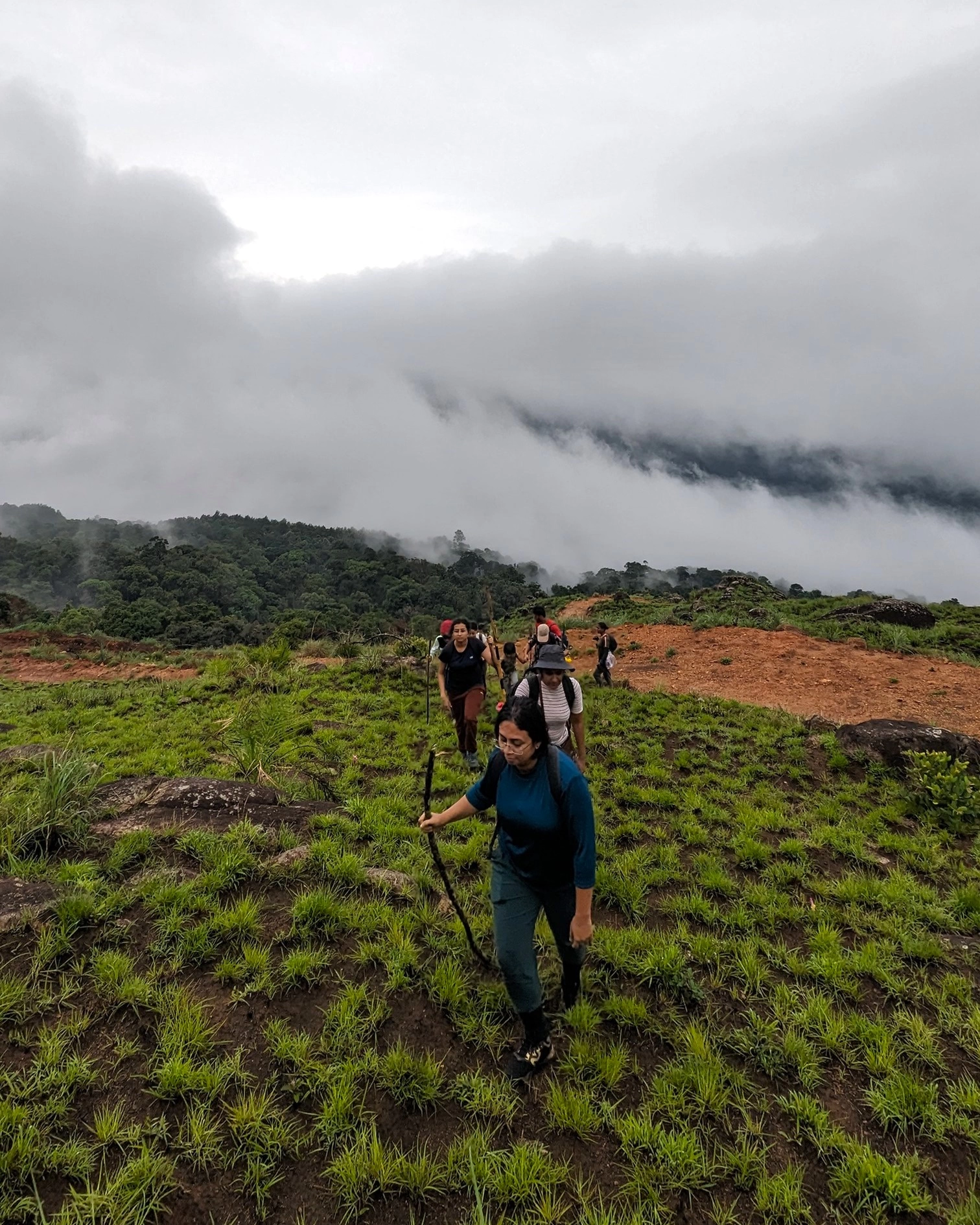
Yes. Guided treks including the Thoovanam Waterfalls Trek and nature trails are organized by the Kerala Forest Department.
Unlike Kerala's evergreen forests, Chinnar features dry deciduous forests and rain shadow landscapes supporting unique wildlife and vegetation.
Yes. Chinnar is one of the most popular day trips from Munnar and is often combined with Marayoor, Kanthalloor, and Eravikulam National Park.
Yes. The sanctuary offers excellent opportunities to photograph rare mammals, birds, butterflies, landscapes, waterfalls, and unique dry forest ecosystems.
Discover the timeless beauty of Kerala, a tropical paradise known for its backwaters, hill stations, wildlife, beaches, and vibrant culture.

Experience the peaceful charm of Kumarakom, Kerala’s premium backwater paradise known for luxury resorts, serene lakes, bird sanctuary, and relaxing houseboat experiences.
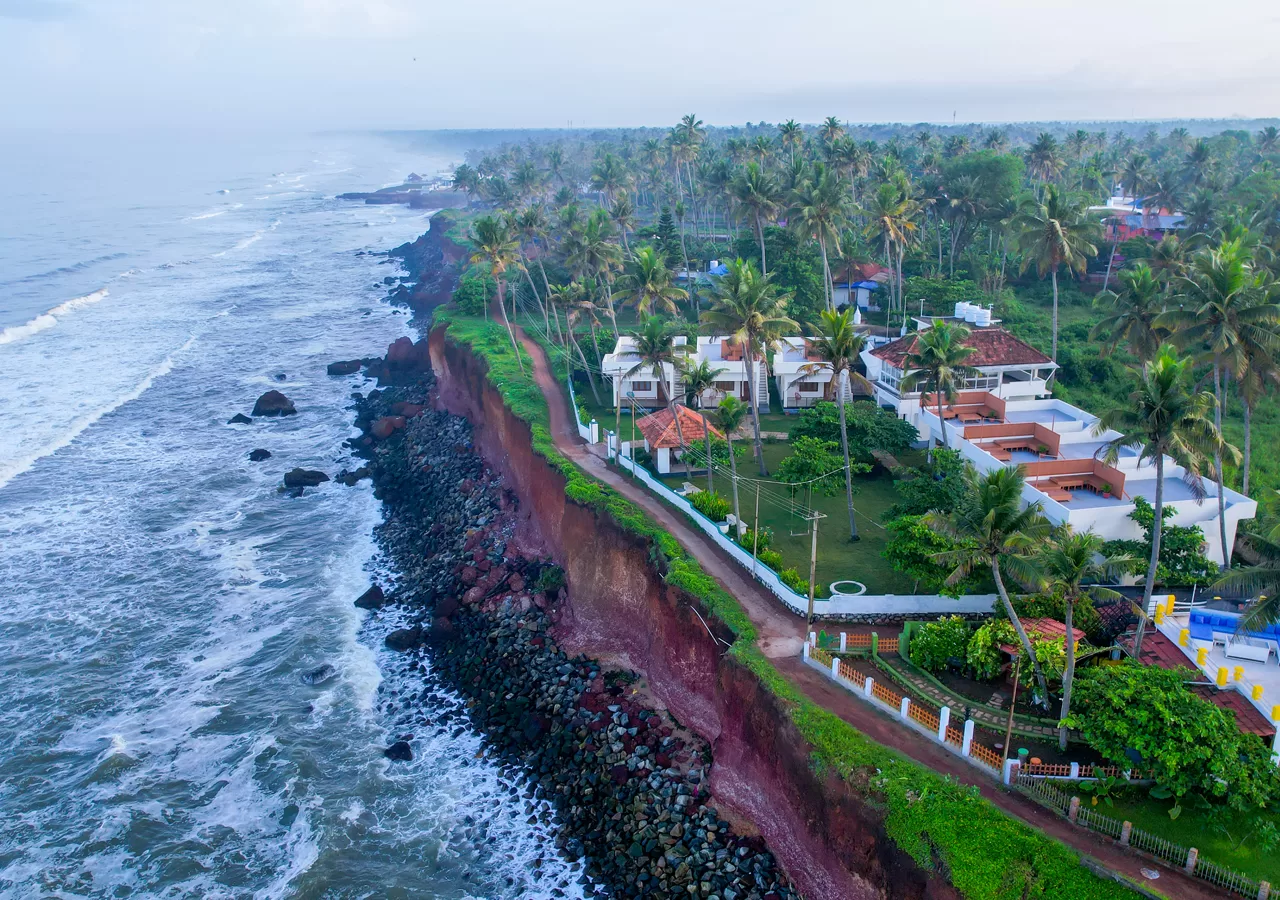
Discover the coastal beauty of Varkala, Kerala’s stunning cliffside beach destination known for its golden shores, spiritual atmosphere, yoga retreats, and breathtaking sunsets.
Fires when the visitor moves the cursor toward the tab close button.
No spam. Offer valid for 48 hours. T&C apply.
This website uses cookies to operate essential features and, with your permission, to measure usage and deliver personalised offers.
Always active. Cannot be disabled.